
Why Your Door Lock Freezes in Highlands Ranch Winters (And How to Fix It)
Seasonal · Published 2026-04-15
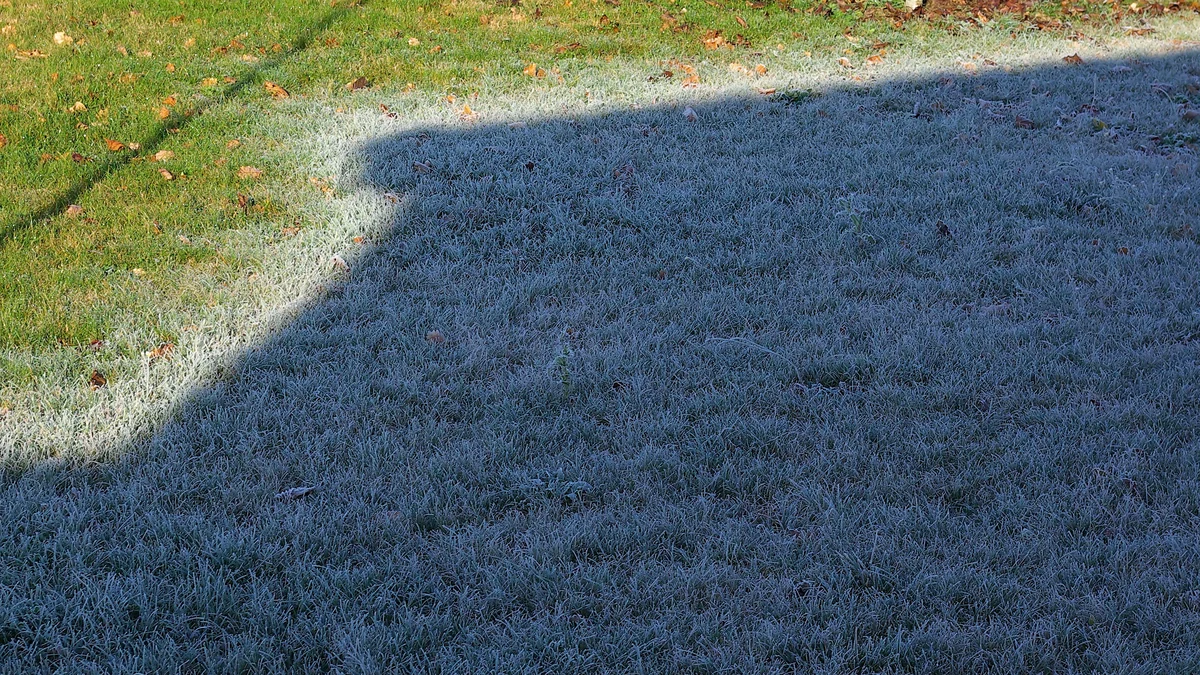
Sub-freezing Highlands Ranch winters punish residential locks. Between November and March, our most common service call is a frozen lock cylinder — key won't turn, deadbolt won't throw, ignition stuck. The cause is condensation that froze inside the cylinder, not a damaged lock. Most cases are fixable in under 15 minutes if you don't make the situation worse first.
Why Highlands Ranch Locks Freeze More Than You'd Expect
Highlands Ranch sits at 5,800 feet elevation. Overnight temperatures from December through February routinely drop to 5°F–15°F. During the day the sun warms the door cylinder; overnight it refreezes. Each cycle pulls humid air into the cylinder, where it condenses on cold brass pins. By morning, that condensed water freezes solid — the key tip pushes against ice instead of pins.
Three common scenarios:
- Garage side-entry door — the most-affected lock in Highlands Ranch homes. Garage isn't heated; door faces north or east; freezes hardest.
- Front-door deadbolt with no storm door — direct exposure to overnight wind chill.
- Back patio door — especially when the door is shaded by a deck overhang and never sees morning sun.
What NOT to Do
- Don't pour hot water on the lock. Common Pinterest advice; terrible idea. The water cools immediately and refreezes inside the mechanism, jamming pins permanently.
- Don't force the key. Cold-fatigued brass keys snap easily. Once the key tip breaks off inside the cylinder, you go from a $0 problem to a $95-$185 broken-key extraction.
- Don't use WD-40. WD-40 is a water displacer, not a lubricant. It works for 30 minutes then evaporates and pulls more moisture into the cylinder. Long-term it makes freezing worse.
- Don't use a lighter or torch. Yes, people try this. The lock body conducts heat, the rubber seal melts, and the cylinder warps. Now it's ruined.
What TO Do (Safe Methods)
- Warm the key, not the lock. Hold the key in your closed hand for 60 seconds, or briefly warm it (5 seconds) with a hair dryer or your car's heater vent. Insert and turn gently.
- Use rubbing alcohol (70%+) or de-icer spray. Apply 2-3 drops/sprays into the keyway. Wait 30 seconds. The alcohol melts ice and evaporates clean. This is the locksmith-approved method.
- Try the key on multiple cycles. Insert, gently rotate as far as it goes (don't force), back out, repeat. Often 3-4 attempts breaks the ice mechanically without damage.
- If still frozen, call us. Mobile locksmith service from Highlands Ranch, response in 20-40 minutes during the day. We use a heat-pack on the cylinder body (not the keyway) plus alcohol. Total fix typically 10-15 minutes on site.
Prevention for Next Winter
- Annual lock service before October — we clean out residual moisture and apply pure graphite (cold-stable lubricant). Cost: $75-$135. Worth it.
- Add a storm door on the front (or weather seal on the garage side door). Reduces direct wind exposure, dramatically cuts freeze events.
- Keep a small bottle of de-icer in the garage. 8oz bottle, $4. Saved many Highlands Ranch homeowners a 6am service call.
- Replace 15+ year-old cylinders. Worn cylinders have larger internal gaps that catch more humidity. Lock repair or replacement sometimes solves chronic freezing.
When to Call Us
If you've tried the alcohol method and the key still won't turn, stop before forcing it. Call (720) 299-9964 and we'll be at your door in 20-40 minutes. We service all Highlands Ranch neighborhoods (BackCountry, Northridge, Eastridge, Westridge, Verona, Sterling Ranch). Most frozen-lock calls are 10-15 minutes of work and $95-$135.